


Travel has always been a way to escape, recharge, and experience something new — but in recent years, a profound shift has taken place. More travelers are choosing vacation stays not just for fun or scenery, but for mental health benefits. The rise of wellness-focused travel isn’t just a trend; it’s a reflection of how essential emotional well-being has become for people facing fast-paced lifestyles, digital overload, and post-pandemic burnout.
In this blog, we explore 6 reasons why travelers are prioritizing mental health in their vacation stays, and why the hospitality industry is adapting to meet these new expectations. Whether you’re a host looking to enhance your space or a traveler seeking your next restorative getaway, understanding this shift in travel behavior is key.
1. Stress Relief Has Become a Top Travel Priority
As daily life becomes more demanding, guests increasingly see travel as a way to reduce stress and reset mentally. What used to be optional — quiet spaces, calming environments, and wellness amenities — is now essential for many.

A study by the American Psychological Association found that stress levels continue to rise globally, leading more people to seek outlets that support their mental health. Vacation stays offering peaceful natural surroundings, outdoor living areas, and technology-light zones appeal to travelers who want to leave chaos behind.
External source:
APA on stress and well-being: https://www.apa.org/topics/stress
Today, travelers are booking destinations based not on entertainment value alone, but on the experience’s ability to bring clarity, rest, and emotional balance.
2. The Rise of Restorative and Wellness-Focused Accommodations
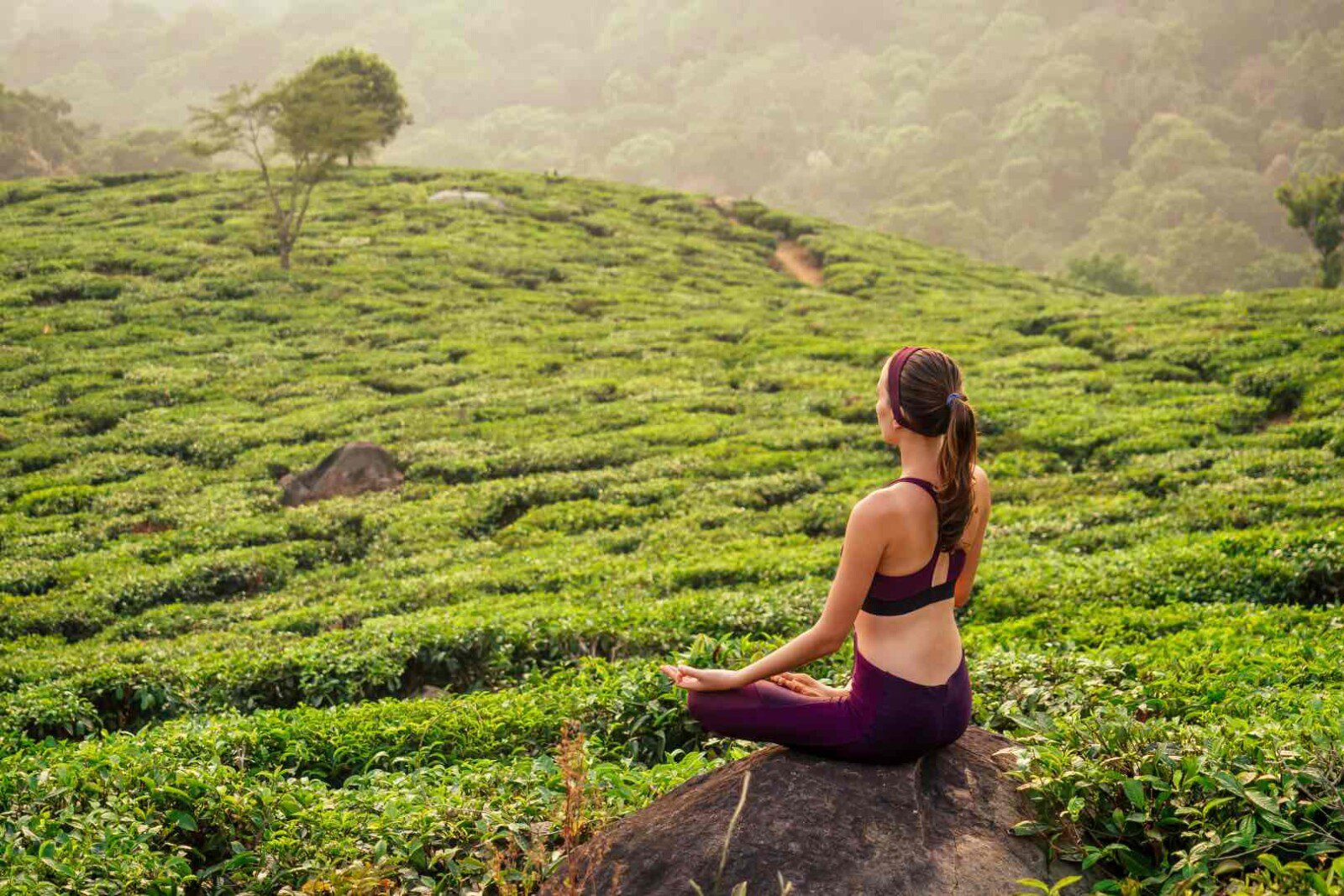
Hotels, short-term rentals, and resort properties are intentionally integrating features that support mental health. This includes:
-
Aromatherapy diffusers
-
Spa-like bathrooms
-
Sound machines
-
Extra-comfortable bedding
-
Outdoor lounges
-
Minimalist interiors
-
Yoga decks and meditation corners
Wellness travel is now a multibillion-dollar industry, and it continues to grow. According to the Global Wellness Institute, wellness tourism is projected to reach $1.3 trillion by 2025, highlighting how much travelers value restorative experiences.

External source:
Global Wellness Institute: https://globalwellnessinstitute.org
Both leisure and business travelers are seeking stays that make them feel healthier, more grounded, and more emotionally refreshed when they return home.
3. Travelers Want Spaces That Support Emotional Reset and Mindfulness
Modern travelers are becoming more intentional about how they spend their time away. They aren’t just taking trips; they’re seeking opportunities for deep rest, reflection, and emotional healing — all of which support mental health.

Many vacation stays now highlight:
-
Nature-inspired design
-
Quiet reading nooks
-
Journaling spaces
-
Private hot tubs
-
Scenic walking trails
-
Sunset viewing decks
-
Water features such as ponds or fountains
These elements help guests engage in mindfulness, one of the best practices for improving mental health and reducing anxiety. Mindfulness-based travel gives people space to disconnect from routine patterns and reconnect with themselves.
External resource on mindfulness benefits:
Mindful.org – https://www.mindful.org/meditation/mindfulness-getting-started/
Whether staying in a cabin by the water or a luxury home with curated relaxation zones, travelers are intentionally choosing environments that foster inner calm.
4. Technology Fatigue Is Driving Travelers Toward “Digital Wellness” Stays
Screens and notifications are constant, and burnout from technology has become widespread. As a result, travelers are looking for stays that encourage healthier digital habits.

Some hosts now promote:
-
Digital-free zones
-
Lockable phone boxes
-
High-quality analog entertainment (books, puzzles, games)
-
Outdoor retreats focused on real-world experiences
For many, a trip becomes a way to protect their mental health by stepping away from digital overload. Even properties with fast WiFi are finding that guests want flexibility: strong connectivity when needed, but opportunities to unplug when they want a break.
External source:
Pew Research Center on tech burnout: https://www.pewresearch.org
This shift has created a new category of travel — digital wellness retreats — now appearing in vacation listings across the world, from secluded countryside escapes to urban apartments designed for balanced work and rest.
5. Nature-Focused Travel Is Proven to Improve Mental Health
More travelers now choose destinations with access to nature, recognizing how powerful it is for restoring mental health. Science supports this trend: spending time outdoors can help reduce stress, improve mood, and increase cognitive functioning.
According to Harvard Health, being in nature can significantly lower cortisol levels and promote emotional well-being.

External source:
Harvard Health on the healing effects of nature: https://www.health.harvard.edu/mind-and-mood/ecotherapy
This explains why travelers increasingly look for:
-
Lakefront homes
-
Mountain cabins
-
Beach houses
-
River-view cottages
-
Properties with gardens, decks, or walking paths
Hosts who highlight natural features often see higher bookings because travelers feel drawn to spaces where they can breathe, wander, and unwind.
Even urban stays with natural elements — like indoor plants, large windows, and green rooftops — are gaining popularity because they support mental health in subtler but meaningful ways.
6. Travelers Want Spaces That Encourage Connection — or Healthy Solitude
One fascinating trend is that travelers are either seeking:
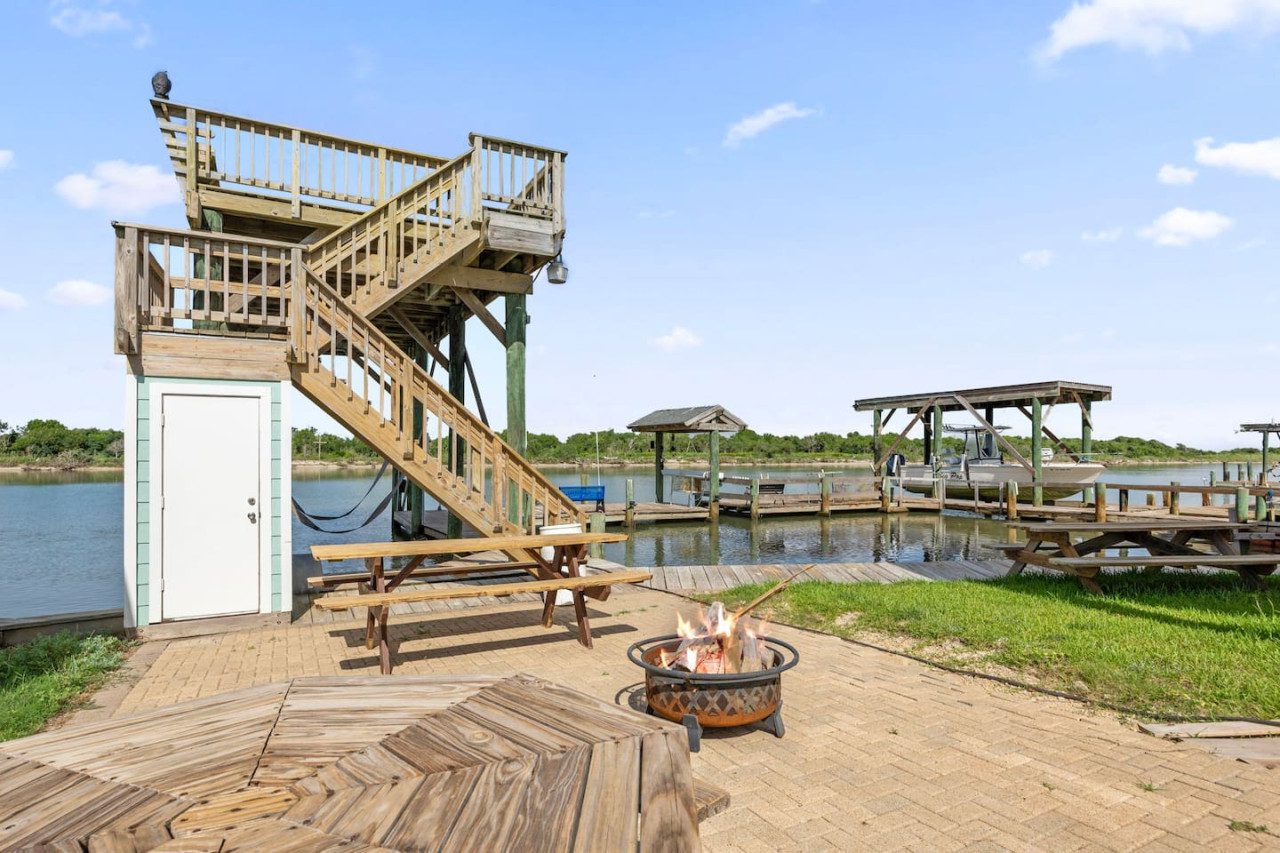
A. Spaces that promote connection, such as:
-
Large communal living rooms
-
Fire pits
-
Outdoor dining areas
-
Game rooms
-
Conversation spaces
Or…
B. Spaces that support solitude, such as:
-
Private balconies
-
Bedroom sanctuaries
-
Quiet patios
-
Cozy reading corners
Both experiences serve an important role in supporting mental health. Some travelers find peace through shared quality time with loved ones, while others recharge by being alone in an intentionally calm environment.
Vacation homes that offer a mix of both — social spaces and quiet retreats — are becoming top choices.
How Hosts Can Adapt to This Mental Health-Focused Travel Trend
For hosts and property managers, understanding the growing emphasis on mental health is essential for attracting modern travelers.

Here are simple enhancements that can make a big difference:
1. Embrace calming design
Soft colors, clutter-free layouts, and warm lighting can transform the atmosphere.
2. Create a wellness-ready space
Provide yoga mats, local hiking guides, aromatherapy, or sound machines.
3. Highlight nature
Showcase your outdoor areas — even small ones — through photos and descriptions.
4. Add mental-health-supporting amenities
Books, cozy throws, blackout curtains, comfortable mattresses, and coffee bar setups help guests feel at ease.
5. Offer flexible spaces
Include zones for work, rest, and socializing.
6. Promote unplugging
Encourage guests to enjoy analog activities or quiet mornings with coffee on the patio.
The more thoughtfully your space supports mental health, the more it resonates with travelers seeking balance, peace, and emotional clarity.
Final Thoughts
As travel continues to evolve, one thing is becoming crystal clear: mental health is shaping how people choose where to stay. Guests crave experiences that help them disconnect from stress, reconnect with nature, and rediscover themselves. Whether they’re seeking calm, creativity, connection, or simply a break from everyday noise, today’s travelers want more than a place to sleep — they want a place to heal, recharge, and truly feel well.
By understanding and embracing this shift, hosts and property owners can create stays that not only attract more bookings but genuinely support guests’ well-being — a win for both hospitality and humanity.