
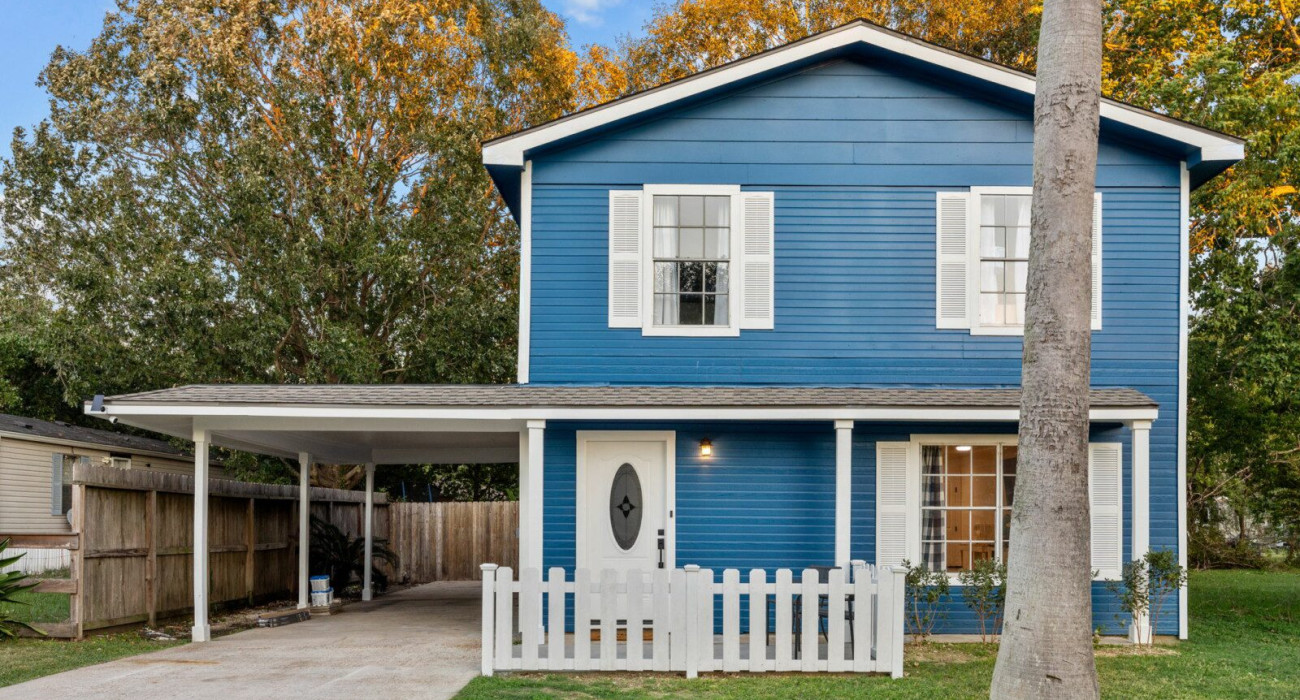

Wondering about Houston short-term rental income potential? If you own a house in the greater Houston area—whether it’s in Conroe, The Woodlands, Cypress, Spring, or closer to downtown—you’ve probably wondered: What if I turned this into a short-term rental?
The question property owners ask most is simple: How much money could I actually make?
The answer depends on a few key factors. Let’s break down real numbers so you can see what’s realistic for your situation.
Understanding Houston’s STR Market in 2026
According to AirDNA market data, Houston is one of the most landlord-friendly major cities in the country. The region has strong tourism, business travel, and relocation activity, which means consistent demand for short-term rentals.
But earnings aren’t the same everywhere. As Mashvisor research confirms, your exact location matters—a lot.
Average Nightly Rates by Area
- Greater Houston Metro (general): $120–$180 per night
- Lake Conroe Area: $150–$250 per night (larger homes and waterfront properties command premium rates)
- The Woodlands: $130–$200 per night
- Conroe: $110–$160 per night
- Cypress & Spring: $115–$175 per night
These rates are for well-maintained homes with good listings and professional management. Self-managed properties or poorly optimized listings often earn 20–30% less.
The Occupancy Rate: The Hidden Lever
Knowing your nightly rate is only half the story. The other half is occupancy rate—how many nights per year your property is actually booked.
A well-managed short-term rental in the Houston area typically achieves:
- 65–80% occupancy for most properties
- 75–85% occupancy for premium properties in high-demand areas like The Woodlands or Lake Conroe
This means your property generates revenue roughly 240–300 nights per year.
Self-managed properties often drop to 50–65% occupancy because listings go stale, response times slip, and owners can’t keep up with dynamic pricing and guest communication.
Houston Short-Term Rental Income: Real Revenue Examples
Example 1: A 3-Bedroom Home in The Woodlands
- Nightly rate: $160 (conservative estimate for a 3BR)
- Occupancy: 72% (realistic for professional management)
- Annual nights booked: 263 nights
- Gross annual revenue: $42,080
- Monthly gross: ~$3,507
Example 2: A Larger Home in Lake Conroe
- Nightly rate: $200
- Occupancy: 75%
- Annual nights booked: 274 nights
- Gross annual revenue: $54,800
- Monthly gross: ~$4,567
Example 3: A 2-Bedroom in Cypress
- Nightly rate: $130
- Occupancy: 68%
- Annual nights booked: 248 nights
- Gross annual revenue: $32,240
- Monthly gross: ~$2,687
These are gross numbers—before expenses and fees. But they show the genuine income potential.
Compare It to Long-Term Rental Income
Most long-term rental homes in the Houston area rent for $1,500–$2,500 per month, depending on size and location.
A 3-bedroom home might rent for $2,000/month as a traditional lease. That’s $24,000 per year.
That same home as a short-term rental (like in Example 1 above) could earn $42,080—75% more income—while maintaining full ownership and flexibility.
Expenses and Net Income
Here’s where professional management makes a real difference.
Short-term rental expenses typically include:
- Cleaning and turnover (most significant)
- Supplies and utilities (higher than long-term rental)
- Maintenance and repairs
- Platform fees (Airbnb takes 3%, VRBO takes 3%)
- Property management (if you use a co-host)
- Houston STR registration fee ($275/year)
- Hotel Occupancy Tax (6% state + local)
- Insurance (usually 20–30% more than standard homeowners)
All told, expenses run about 35–45% of gross revenue for professionally managed properties. That leaves 55–65% as net income (before your personal income tax).
For self-managed properties, the picture is messier. Lower occupancy and slower response times mean lower revenue. Plus, you’re trading your time—a lot of it.
Why Professional Management Pays for Itself
Here’s what property owners often miss: the management fee isn’t a cost that reduces your earnings. It’s an investment that increases them.
Breezy Vacation Rentals co-hosts properties at a standard industry rate of 15–25% of revenue. For Example 1 (the 3-bedroom in The Woodlands earning $42,080/year), that’s $6,312–$10,520 annually—or about $526–$877 per month.
Sounds like a lot until you consider what you get:
- Professional listing optimization (increases bookings by 15–25%)
- Dynamic pricing that adjusts nightly rates based on demand (increases revenue by 10–20%)
- 24/7 guest communication and support (ensures 4.9+ star reviews, keeps occupancy up)
- Coordinated cleaning and maintenance (prevents costly damage, keeps guests happy)
- Damage claims handling and documentation
- Security deposit and damage waiver administration
When a co-host does these things well, the occupancy rate often climbs from 65% to 75–80%, and the nightly rate stays competitive or even increases. The difference in revenue easily covers the management fee—and then some.
Your Personal Investment of Time
Let’s talk about the alternative: self-managing.
Property owners who manage their own Airbnb typically spend:
- 2–3 hours per day responding to guest messages
- 4–6 hours per week on pricing and listing updates
- 3–5 hours per week coordinating cleaners, handling maintenance requests, and resolving guest issues
- Variable hours dealing with emergencies or problem guests
That’s roughly 20–30 hours per week of work—more if your property is booked solid or you have problem guests.
At $20/hour minimum, that’s $400–$600 per week of unpaid labor. Over a year, that’s $20,800–$31,200 worth of your time.
Most property owners realize they’d rather have their weekends back and earn more money at the same time.
Getting Your Own Revenue Estimate
These examples show the potential, but your property is unique. Its location, size, condition, amenities, and photo quality all affect what it can earn.
Breezy Vacation Rentals offers a free, no-obligation revenue estimate based on your specific property. They’ll analyze comparable properties in your area, factor in seasonal demand, and give you a realistic picture of what you could earn—whether you self-manage or use their professional co-hosting service.
The math might surprise you.
Houston Short-Term Rental Income by Property Type
Not all properties generate the same Houston short-term rental income. The type of property you own, its location, and how it is configured all play significant roles in determining your earning potential.
Single-family homes tend to generate the highest gross revenue because they accommodate larger groups and families. A 4-bedroom home in a desirable Houston neighborhood can consistently command $200 or more per night with proper management and marketing.
Townhomes and condos offer lower entry costs and can still produce strong Houston short-term rental income. A well-located 2-bedroom condo near the Texas Medical Center or Galleria area might earn $120 to $160 per night, especially when targeting business travelers and medical visitors who book longer stays.
Garage apartments and ADUs are increasingly popular in neighborhoods like the Heights, Montrose, and EaDo. These smaller units have lower overhead costs and can generate surprisingly strong returns relative to their size. A well-designed studio or one-bedroom ADU can earn $80 to $120 per night with minimal vacancy.
The key factor across all property types is professional optimization. According to AirDNA market data, professionally managed properties in the Houston metro area earn 20 to 40 percent more Houston short-term rental income than self-managed listings, primarily through better pricing strategies, higher occupancy rates, and stronger guest reviews.
Tax Considerations for Houston Short-Term Rental Income
Understanding the tax implications of your Houston short-term rental income is essential for accurate financial planning. Several tax obligations apply to STR owners in the Houston area.
The City of Houston requires a Hotel Occupancy Tax of 7 percent on all short-term rentals. The State of Texas adds an additional 6 percent hotel tax. Combined with local taxes that vary by jurisdiction, your total tax obligation typically ranges from 13 to 17 percent of gross rental revenue.
On the positive side, short-term rental owners can deduct numerous expenses against their Houston short-term rental income. Deductible expenses include mortgage interest, property taxes, insurance, utilities, cleaning costs, maintenance, management fees, furniture depreciation, and supplies. Many property owners find that these deductions significantly reduce their taxable rental income.
It is strongly recommended to work with a CPA or tax professional who specializes in short-term rental taxation. The tax code around STRs has specific rules regarding material participation, passive income classification, and depreciation schedules that can substantially impact your bottom line.
Frequently Asked Questions About Houston Short-Term Rental Income
How much can a short-term rental earn in Houston per month?
Most Houston short-term rental properties earn between $2,500 and $5,000 per month in gross revenue when professionally managed. The exact amount depends on location, property size, amenities, and seasonal demand. Properties in high-demand areas like the Heights, Montrose, and near the Texas Medical Center tend to earn at the higher end of this range.
Is Houston short-term rental income more profitable than long-term renting?
In most cases, yes. Professionally managed short-term rentals in Houston typically earn 50 to 75 percent more gross revenue than equivalent long-term rental properties. After accounting for higher expenses such as cleaning, supplies, and management fees, net income from short-term rentals still usually exceeds long-term rental income by 20 to 40 percent.
What expenses reduce Houston short-term rental income?
Common expenses include cleaning and turnover costs, supplies and consumables, maintenance and repairs, platform fees from Airbnb or VRBO at 3 percent each, property management fees of 15 to 25 percent, Houston STR registration at $275 per year, hotel occupancy taxes of 13 to 17 percent, insurance, and utilities. Total expenses typically run 35 to 45 percent of gross revenue for professionally managed properties.
What occupancy rate should I expect for a Houston short-term rental?
Professionally managed short-term rentals in Houston typically achieve 65 to 80 percent annual occupancy. Premium properties in high-demand areas can reach 75 to 85 percent. Self-managed properties often see lower occupancy rates of 50 to 65 percent due to inconsistent pricing, slower response times, and less optimized listings.
Does professional management increase Houston short-term rental income?
Yes. Professional co-hosts and property managers typically increase Houston short-term rental income by 10 to 20 percent net, even after their management fee. This improvement comes from dynamic pricing optimization, higher occupancy rates, better guest reviews, professional photography, and optimized listing descriptions that attract more bookings at higher nightly rates.
The Bottom Line
Most property owners in the greater Houston area can earn $2,500–$5,000 per month in gross revenue from a short-term rental, depending on size and location. With professional management, your net income after all expenses often exceeds what a long-term tenant would pay—with full control and flexibility.
The real question isn’t whether your property can make money as an STR. In Houston’s market, it almost certainly can.
The question is: Do you want to run it yourself, or would you rather have someone else handle it while you pocket the profit?
If you’re still deciding between managing it yourself or hiring help, check out our guide on DIY vs. professional short-term rental management. Ready to explore the numbers for your property? Contact Breezy Vacation Rentals today for a free revenue analysis. No sales pressure—just honest numbers based on your specific home.
Breezy Vacation Rentals manages 30+ properties across greater Houston, including Conroe, The Woodlands, Cypress, Spring, and Montgomery County. Call (936) 228-9273 or visit breezyvacationhomes.com to learn more.