


With the vacation rental market booming and platforms like Airbnb, Vrbo, and Booking.com flooded with options, standing out has never been more challenging—or more essential. Whether you’re managing one property or a portfolio of rentals, your listing needs to grab attention, hold interest, and convert browsers into bookings. So what makes a vacation rental listing rise above the noise? Let’s dive into the key strategies and elements that truly make a difference.
1. Professional Photography Is Non-Negotiable
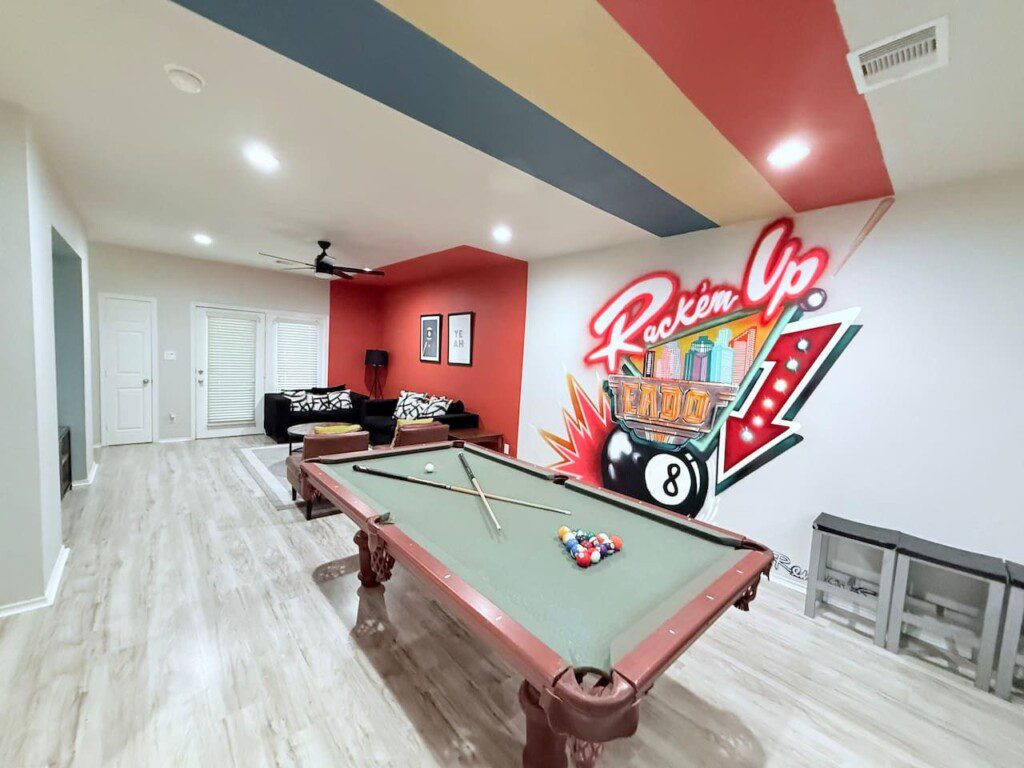
First impressions matter—especially in the online rental marketplace. Studies show that listings with professional photography earn 40% more revenue than those without. High-quality, well-lit images that showcase the vacation rental property’s best features, amenities, and surroundings dramatically increase click-through rates and bookings.
- Use a wide-angle lens to capture the full space.
- Include golden-hour exterior shots.
- Don’t forget lifestyle images—like wine on the patio or towels by the pool.
📸 Tip: Airbnb has specific photography standards that help guide owners in creating compelling visuals.

2. An Attention-Grabbing Headline
Your title is the first thing guests see in search results. A bland or overly generic title like “2-Bedroom Condo in Austin” won’t cut it. Instead, think like a marketer.
Here are some title-writing tips:
- Highlight the unique aspect: “Cozy Lakefront Cottage with Private Dock”
- Use numbers or emotional words: “5-Bedroom Family Retreat with Heated Pool”
- Add a hook: “Modern Treehouse Escape | Hot Tub & Panoramic Views”
Airbnb’s host resource center offers additional insights for writing better titles.
3. Thorough and Guest-Focused Description
Instead of just usual Vacation rental listing features, paint a picture. Help potential guests feel what it’s like to stay at your property. Break the description into digestible sections:
- The Space: Emphasize layout, design, and standout amenities.
- The Experience: Describe what guests can do—morning coffee on the balcony, sunset walks to the beach, board games by the fire pit.
- The Neighborhood: Highlight nearby restaurants, attractions, or natural beauty.
Example:
“Start your morning with coffee on the screened-in porch as deer wander by. After a day at the nearby state park, grill out under string lights and soak in the private hot tub.”
Need inspiration? Check out Vrbo’s guide to writing better descriptions.
4. Showcase Your Unique Selling Proposition (USP)
What makes your Vacation rental property different from the five others on the same block? Whether it’s a fire pit, pet-friendliness, musical instruments, themed décor, or accessibility features, call out your USP clearly.
You can even include a “Why You’ll Love This Property” bullet section at the top of your listing:
- 🔥 Private outdoor fire pit with lounge seating
- 🐶 Pet-friendly with fenced backyard
- 🎹 Grand piano and acoustic guitar for musical evenings
This list format increases readability and reinforces benefits quickly.

5. Responsive and Friendly Communication
While this isn’t directly in your Vacation Rental listing, Airbnb’s algorithm favors listings with responsive hosts. Prompt and polite replies reassure potential guests and encourage bookings. Listings with response rates over 90% tend to rank higher in search results.
🏆 Consider enabling Instant Book if you’re confident in your screening process—it appeals to last-minute planners and increases visibility.

6. Collect and Highlight Reviews Early
Social proof is everything. A brand-new listing with no reviews struggles to build trust. To overcome this:
- Offer a soft launch with discounted rates for friends or local travelers.
- Ask for honest feedback and politely request a review after each stay.
- Feature glowing quotes in your listing description if the platform allows it.
According to a Skift report, reviews remain a top trust factor for travel decisions.

7. Stay Competitive with Dynamic Pricing
Using tools like PriceLabs, Wheelhouse, or Airbnb’s Smart Pricing feature, you can adjust nightly rates based on demand, seasonality, and local events. This keeps your vacation rental listing appealing across a wide range of budgets.

8. Leverage SEO and Algorithm Tactics
Finally, optimize for platform search:
- Use relevant keywords in your title and description (e.g., “family-friendly,” “beachfront,” “heated pool”).
- Keep your calendar updated daily.
- Encourage guests to click “favorite”—more engagement helps with rankings.
Final Thoughts
In a saturated market, a vacation rental listing must do more than exist—it needs to shine. With professional photos, a compelling headline, rich descriptions, and a clear value proposition, your property can command attention and win bookings. Combine this with responsive communication and review generation, and you’ll have the foundation for long-term success.
🎯 Want to dive deeper? Check out AirDNA’s market insights for competitive analysis and data-driven strategies tailored to your location.
Want more tips for optimizing your vacation rental? Contact us
Your Pre-Launch and Ongoing Listing Checklist for Texas Rentals
Most of the advice above is about how a listing looks and reads. This section covers what happens around the listing: the setup steps, local details, and habits that keep a Texas rental booking well after the first few reservations. Think of it as a working checklist you can come back to each season.
Before You Publish: A Readiness Walkthrough
Spend one full night in your own property before going live, or have someone you trust do it. Guests notice the small things you stop seeing. Walk through this list with a notebook:
- Test every switch, remote, and lock. Confirm the smart lock code works, the thermostat is easy to understand, and each television can be operated without a manual.
- Check water pressure and hot water. Run the shower and the kitchen tap at the same time to see how the house handles a full group.
- Count your sleeping spaces honestly. Make sure the number of beds, sofa sleepers, and linens matches what the listing says.
- Stand where the guest stands. Park, walk to the door in the dark, and check that the path is lit and the entry is easy to find.
- Look for smells and sounds. Musty closets, loud appliances, and road noise are better discovered by you than in a review.
Write Down the Rules Guests Actually Need
Clear house rules prevent most disputes. Keep them short, friendly, and specific to the property. Cover quiet hours, maximum occupancy, parking, trash day, pool or hot tub safety, and whether pets or smoking are allowed. Place the most important rules in more than one spot: the listing, the booking confirmation, and a printed card inside the home.
Local Texas Details Worth Planning For
Texas guests arrive with Texas expectations, and a few regional details can make or break a stay.
- Heat and air conditioning. Summers here are long and hot. Service the system before peak season, replace filters on a schedule, and tell guests how to adjust the thermostat so they are not tempted to leave windows open.
- Storm and power outage readiness. Gulf Coast weather can bring heavy rain and occasional outages. Keep flashlights, a battery backup for the router if possible, and a short printed plan for what guests should do and who to call.
- Lake and outdoor safety. If you are near Lake Conroe or have a pool, post clear safety guidance, explain where life jackets or towels are kept, and be upfront about what is and is not provided.
- Local permits and tax registration. Cities and counties handle short term rentals differently, and rules can change. Check with your city, county, and any homeowners association before you list, and confirm your hotel occupancy tax registration is in order.
- Insurance. A standard homeowner policy may not cover paying guests. Speak with your insurance agent about coverage designed for short term rentals.
Common Mistakes That Quietly Cost Bookings
- Photos that do not match the current state of the home after furniture or decor changes.
- Check-in instructions that are buried in a long message rather than sent as a short, clear step-by-step note.
- Calendar gaps that are too short for a proper turnover, which leads to rushed cleaning.
- Overpromising amenities, such as listing a space as a workspace without a real desk and chair.
- Ignoring small maintenance items until a guest mentions them in a review.
- Leaving the guidebook out of date when a restaurant or attraction has closed.
A Simple Turnover Routine
Consistent cleaning is one of the strongest drivers of good guest experiences. Build a written checklist for your cleaners, and include photos of how each room should look when finished. Ask for a quick photo report after every turnover, and keep a restock list for soap, paper goods, trash bags, and coffee supplies so nothing runs out mid-stay.
Create a Guest Welcome Guide
A digital or printed guide saves you dozens of repetitive messages. Include Wi-Fi details, appliance tips, trash and recycling instructions, nearby grocery stores, and a few local favorites. Add a line about who to contact for urgent issues and what counts as urgent.
Frequently Asked Questions
How often should I refresh my listing?
Review it at least once each season, and any time something changes at the property. Check that photos, amenities, and house rules still match reality, and update your guidebook for local events and closures.
Should I be present during check-in?
Not necessarily. Many hosts use self check-in with a smart lock and clear written directions. What matters is that guests can get in easily and know exactly who to reach if something goes wrong.
What should I do about a negative review?
Respond calmly and professionally, thank the guest for the feedback, and address the specific concern without arguing. Then fix the underlying issue if it is real, so the same comment does not repeat.
Do I need a professional manager to run a rental well?
No, but managing a rental involves cleaning coordination, guest messaging, maintenance, and compliance, all on a daily basis. Some owners enjoy handling it themselves, while others prefer to hand off the day to day work so they can focus on other priorities.