
Airbnb co-hosting means a partner handles part or all of your hosting work for a share of revenue, while self-managing means you do everything yourself and keep the full income. Co-hosting fits owners who want their time back or live far away; self-managing fits hands-on owners with the time and a single, easy-to-run listing.
This guide compares the two paths across time, cost, income, and stress so Houston-area owners can pick the right fit. There is no universal winner, only the option that matches your goals and your bandwidth.
What Is Airbnb Co-Hosting?

Airbnb co-hosting is an arrangement where you bring in a co-host to share the work of running your short-term rental. The co-host can handle as little or as much as you choose, from answering guest messages to managing the entire operation, in exchange for a percentage of bookings or a flat fee.
Airbnb officially supports co-hosting and lets you grant a co-host limited or full access to your listing. That means you decide the boundaries. One owner might keep pricing and only delegate guest communication and turnovers. Another might hand over everything and simply collect monthly statements. The flexibility is the point.
For Houston owners, co-hosting often solves a specific problem. Maybe you bought a Lake Conroe lake house as an investment but live in the city. Maybe your job travel makes after-hours guest issues impossible to cover. A local co-host fills those gaps without forcing you to give up ownership or control.
With Airbnb co-hosting, you keep title, set the house rules, and approve big decisions. The co-host works on your behalf; they do not take over your property.
What Does Self-Managing an Airbnb Involve?

Self-managing an Airbnb means you personally handle every part of the guest experience and the property operation. That includes writing and updating the listing, setting nightly prices, answering every inquiry, screening guests, coordinating cleaners, restocking supplies, and solving problems whenever they arise.
The appeal is obvious: you keep 100% of the revenue and you control every detail. For an owner who lives near the property, enjoys hospitality, and has time in the evenings, self-managing can work well and keep the most money in your pocket.
The cost is just as real, though. Short-term rentals generate steady, unpredictable work. A guest locked out at midnight, a broken air conditioner during a Houston summer, a same-day booking that needs a fast turnaround. All of it lands on you. Many owners start out self-managing and enjoy it, then hit a wall when life gets busy or they add a second listing.
Co-Hosting vs Self-Managing: A Side-by-Side Comparison
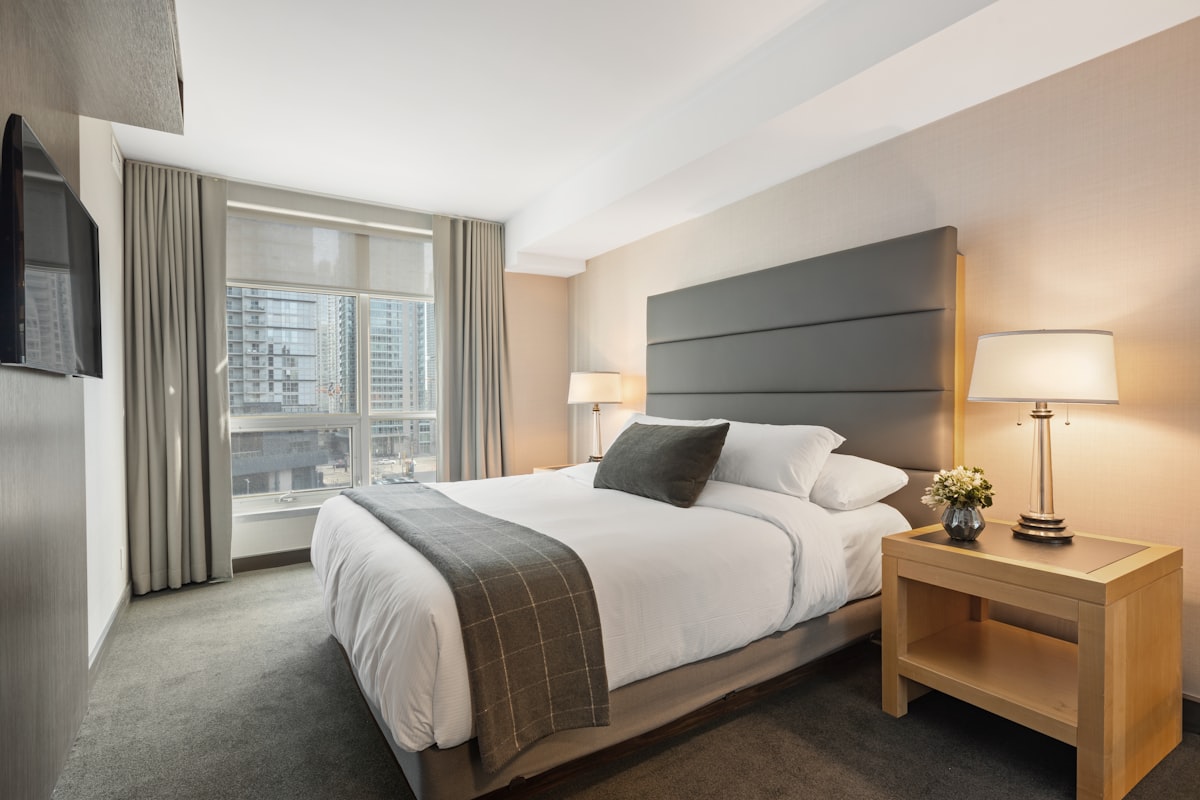
The clearest way to choose between Airbnb co-hosting and self-managing is to compare them across the factors that actually affect your life and your income. The table below lays out the core tradeoffs.
Notice that the comparison is not really about which option is better in the abstract. It is about which column matches your situation. An owner with time and a nearby property leans toward self-managing. An owner short on time, far from the property, or running multiple listings leans toward co-hosting.
How Much Does Airbnb Co-Hosting Cost?
Airbnb co-hosting usually costs a percentage of booking revenue, commonly in the 15% to 30% range for short-term rentals, though some co-hosts charge a flat monthly fee or a per-task rate. The exact figure depends on how much you delegate and the local market.
The key is to compare the fee against what self-managing truly costs you. Self-managing looks free, but it consumes hours and can leave money on the table through flat pricing or empty nights. A co-host who keeps your calendar full and your rates aligned with demand can recover much of the fee, sometimes more. To see how a fully managed approach works in practice, visit our Airbnb management overview.
Which Option Earns More in the Houston Market?
In many cases, a professionally co-hosted listing earns more gross revenue than a self-managed one, because dynamic pricing and faster guest response lift both occupancy and nightly rates. Whether it earns more net income depends on the fee and how well you would have managed on your own.
Houston demand is seasonal and event-driven, which rewards active pricing. A Lake Conroe property commands a premium on summer weekends, while a Medical Center rental draws steady weekday medical travel. A co-host who adjusts rates around these patterns captures revenue that a flat self-managed price misses. If you already price actively and stay full, your self-managed net may match or beat a co-hosted result. You can explore one of our key markets on the Lake Conroe page.
Do not compare co-hosting against a perfectly run self-managed listing. Compare it against how your listing actually performs today, gaps and all.
How Do You Decide Between Co-Hosting and Self-Managing?
Decide by being honest about your time, your distance from the property, and your pricing skill. If two or three of those point toward strain, Airbnb co-hosting is likely the better path. If you have time, live close, and price actively, self-managing can keep more profit.
A practical approach is to start where you are and adjust. Many Houston owners begin by self-managing, learn the work, then bring in a co-host for the tasks they dislike or cannot cover. Others jump straight to full co-hosting because they bought purely as an investment. Either way, the decision is reversible, so choose what fits today and revisit it as your situation changes. Learn more at our home page.
FAQ: Airbnb Co-Hosting vs Self-Managing Questions Answered
Is Airbnb co-hosting worth it?
Co-hosting is worth it when it saves you more time and stress than it costs in fees, or when it raises your income through better pricing and occupancy. It is most valuable for owners who are busy, live far from the property, or run more than one listing.
How much do Airbnb co-hosts charge?
Most co-hosts charge 15% to 30% of booking revenue for short-term rentals, though some use flat monthly fees or per-task rates. Confirm exactly which services the fee covers, since cleaning and supplies are sometimes billed separately.
Can I self-manage one Airbnb and co-host another?
Yes. Many owners self-manage a nearby property they enjoy running while using a co-host for a distant or higher-maintenance listing. Airbnb lets you set different arrangements per listing, so you can mix approaches as needed.
Does co-hosting mean I give up control of my Airbnb?
No. You keep ownership, set the rules, and decide how much access the co-host has. Airbnb co-hosting can be limited to specific tasks or expanded to full management, entirely at your discretion.
Will self-managing save me money?
Self-managing avoids the management fee, so it can save money if you have the time and price your listing well. The hidden cost is your labor and any revenue lost to empty nights or flat pricing, which sometimes outweighs the fee you avoided.
Which option is better for a Lake Conroe vacation home?
It depends on how often you can be present. A Lake Conroe home draws strong seasonal demand that rewards active pricing and fast guest response, which favors co-hosting for owners who live elsewhere or travel often. Local, hands-on owners can self-manage successfully.
Ready to Choose the Right Path?
Breezy Vacation Rentals provides professional property management for vacation rental owners in the Houston area. Whether you want full Airbnb co-hosting or help with just the parts you dislike, we handle bookings, guest relations, maintenance, and revenue optimization so you earn more with professional management. Visit breezyvacationhomes.com or call (936) 228-9273 to talk through whether co-hosting or self-managing fits your property best.