


Travel trends are shifting—and fast. While families and groups once dominated the vacation rental scene, there’s a new wave of travelers making bold choices: solo adventurers. And they’re not flocking to hotels. Instead, more guests are booking homes instead of hotels when traveling solo—and for good reason.

Whether you’re planning a digital nomad escape, a self-care retreat, or a spontaneous weekend away, solo travel offers freedom, flexibility, and self-discovery. But it turns out the place you stay can make or break your solo journey.
Here are 7 powerful reasons why more travelers are booking homes instead of hotels when traveling alone.
1. More Space, More Comfort
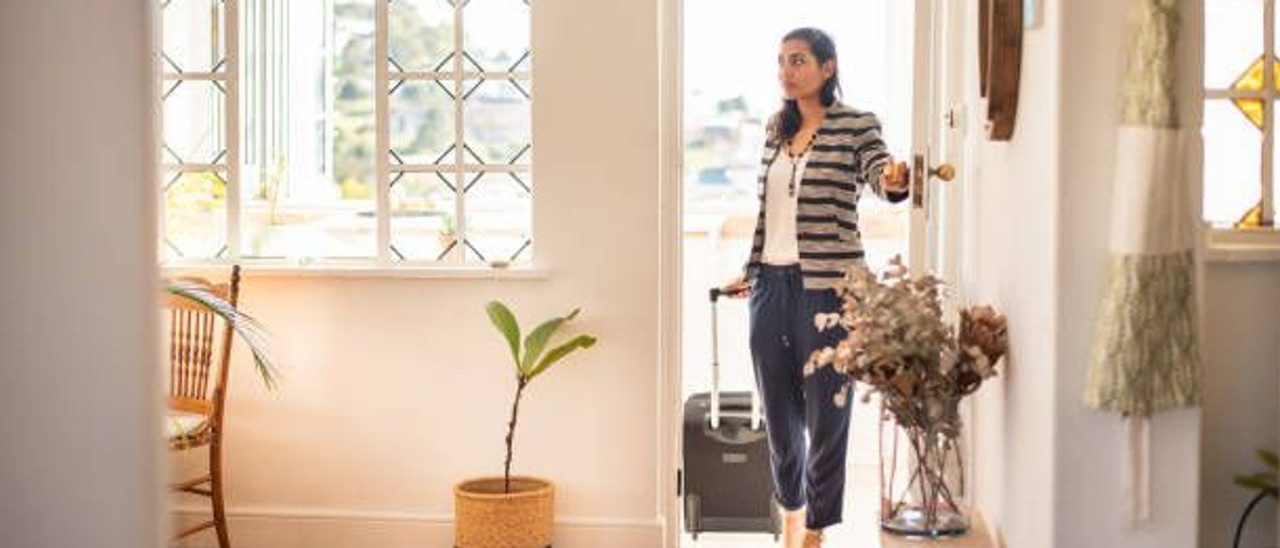
One of the biggest advantages of booking homes instead of hotels is the space. Hotels, especially budget ones, often offer little more than a bed, a TV, and a tiny bathroom. In contrast, vacation homes provide entire living areas, kitchens, private outdoor spaces, and often laundry facilities. For solo travelers who value comfort, space to stretch out, or just a quiet place to read or journal, homes offer unmatched coziness.
2. A Sense of Home (Even When You’re Alone)
Solo trips can be empowering—but they can also be lonely. That’s where homes come in. With a cozy kitchen, a backyard, or a quiet balcony, homes give solo travelers a sense of normalcy and grounding that sterile hotel rooms can’t replicate.

When guests are booking homes instead of hotels, they’re often seeking that warm, familiar feeling—like brewing coffee in a full-sized kitchen or watching Netflix on a plush couch, not sitting stiffly in a lobby armchair.
3. Better Value for Longer Stays
More solo travelers—especially digital nomads—are taking extended stays. And that’s where booking homes instead of hotels really shines. With weekly or monthly discounts and the ability to cook meals, homes are often significantly more affordable over time than paying nightly hotel rates or constantly eating out.
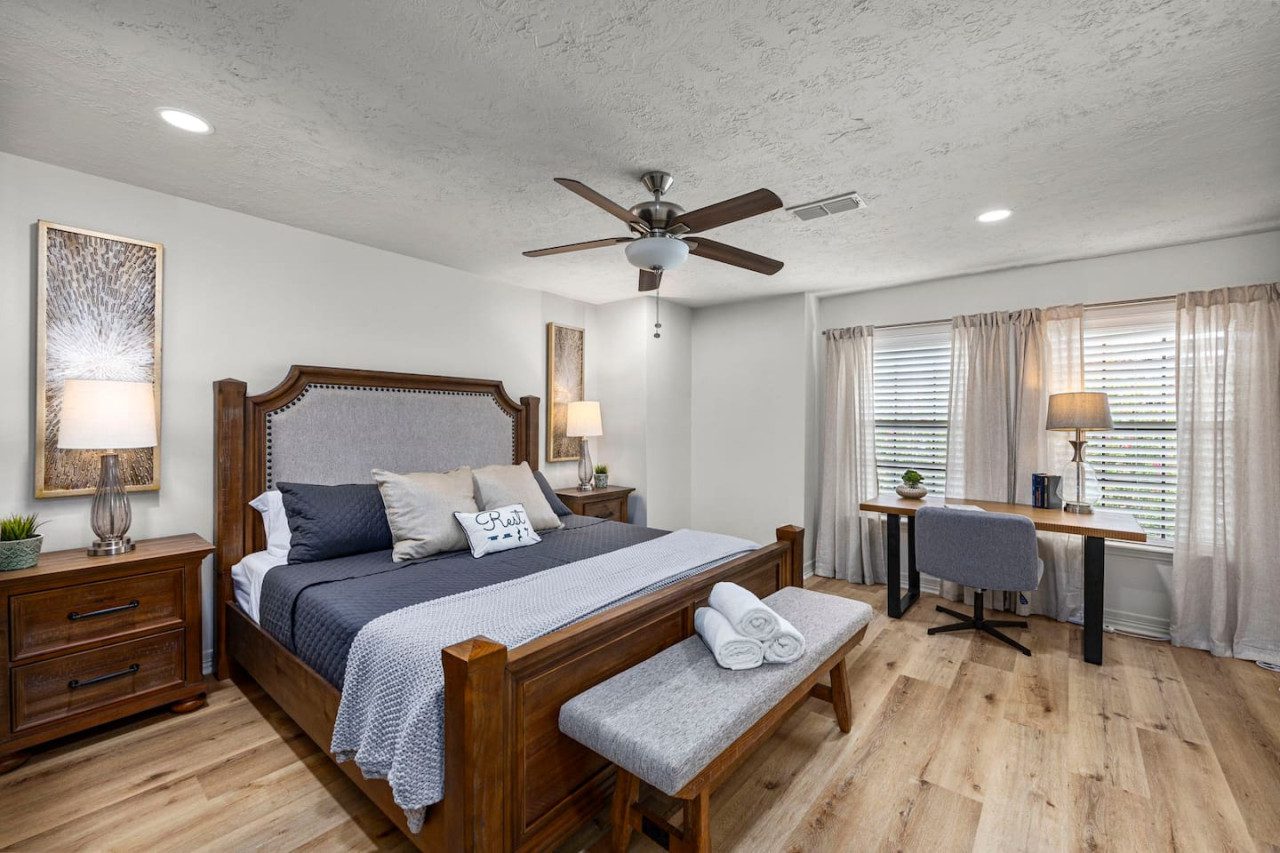
Many homes also offer amenities like high-speed Wi-Fi, office desks, or even coworking nooks that cater directly to remote workers—making it easier to blend work and play on a solo trip.
4. Privacy and Control
Hotels, while convenient, can feel impersonal and even intrusive. Daily housekeeping, shared walls, crowded lobbies—it’s not always ideal for solo travelers who want privacy and peace.

When booking homes instead of hotels, guests enjoy complete control over their environment. They can wake up when they want, relax without interruption, and create a personal sanctuary where they feel truly in charge of their solo experience.
5. Unique, Personalized Stays
Vacation homes reflect personality—something chain hotels rarely offer. From boho bungalows to sleek city lofts or forest cabins, every home has a vibe.

Solo travelers often seek inspiration and connection to local culture, and booking homes instead of hotels gives them a more authentic experience. Hosts may offer local insights, neighborhood tips, or even curated welcome baskets—making guests feel like more than just a number.
Platforms like Airbnb and Vrbo allow guests to filter by style, amenities, or location, offering endless customization.
6. Safety and Security on Your Terms
While safety is always a concern for solo travelers, booking homes instead of hotels gives them the ability to choose properties with strong safety features: gated entrances, smart locks, doorbell cameras, or even quiet residential areas.

Many vacation rental platforms also have verified reviews, detailed host communication, and 24/7 support, giving solo guests peace of mind that they’re staying somewhere trustworthy and secure.
7. Freedom to Be Yourself
Finally, booking homes instead of hotels offers solo travelers something priceless: the freedom to be unapologetically themselves. No awkward small talk with front desk clerks, no need to dress up to eat in a lobby restaurant, and no forced social interaction.

Solo travel is a deeply personal experience—and more guests are discovering that private homes offer the ideal setting for reflection, adventure, or even just rest.
The Bottom Line
From comfort and affordability to privacy and personality, it’s easy to see why more solo travelers are booking homes instead of hotels. Whether you’re seeking silence or inspiration, a solo trip in a vacation home can offer the exact mood you need.
As the landscape of travel continues to evolve, this trend is only gaining traction. So next time you’re planning a trip for one, skip the front desk and unlock the door to your own private space.
Because sometimes, traveling alone is the best way to find yourself—and a cozy home is the perfect place to do it.
Ready to book your next solo stay? Explore cozy vacation homes at Airbnb or Vrbo and find the perfect space for your next adventure.
👉 Book your next short stay with Breezy Vacation Homes
Your Solo Stay Checklist for Lake Conroe and Houston
Choosing a home for a solo trip is easy to enjoy and easy to get slightly wrong. A little planning before you book, and a few checks when you arrive, help you feel relaxed from the first evening. Here is a practical walk-through, with some Texas details that are easy to overlook.
Before You Book: Read the Listing Like a Planner
- Check the sleeping setup. A home with several bedrooms is great for space, but confirm there is a comfortable bed in a room you actually want to use, and that bedroom doors close fully.
- Look at the photos for the full picture. Find the kitchen, the entry, the outdoor area and the street view. If a key area is missing from the photos, ask the host about it.
- Confirm the cooling system. Texas heat and humidity can be intense, so reliable air conditioning matters for sleep and for working indoors. Ask how many cooling zones the home has and whether the bedrooms are covered.
- Ask about parking and the approach. Know where you will park, whether the driveway is shared, and how the street looks after dark.
- Read recent reviews for patterns. One comment is a opinion. The same comment repeated by several guests is information.
Questions Worth Sending the Host
A short message before booking tells you a lot about how the stay will go. Good questions for a solo guest include:
- How does self check-in work, and what happens if the code does not open the door?
- Who do I contact if something stops working, and how quickly do you usually reply?
- Is there a quiet time or noise expectation in the neighborhood?
- Are there any shared areas, such as a gate, a dock or a community pool, with their own rules?
- What should I know about trash day, parking or lake access?
Texas Details Solo Guests Often Miss
Lake areas feel more remote than the map suggests. Around Lake Conroe, some homes sit on quiet roads where a grocery run takes a short drive. Stock up on the way in, and keep your phone charged and your navigation downloaded in case signal dips.
Houston is spread out. Traffic can change a ten minute trip into a long one, so choose a home based on where you will spend most of your days, not only on how nice the house looks.
Weather can change plans. Summer afternoons can bring sudden storms, and the Gulf Coast hurricane season can affect travel late in the year. Check the forecast before you leave, read the cancellation terms before you pay, and ask the host how they communicate during severe weather.
Outdoor spaces come with outdoor life. Mosquitoes, humidity and heat are part of Texas evenings. Pack repellent, and plan patio time for the cooler parts of the day.
Your First Hour After Arrival
- Walk through every room and note anything that looks damaged or unclear. Message the host with a photo if something seems off.
- Find the thermostat, the Wi-Fi details, the trash bins and the main exits.
- Test the door lock from the inside and outside while you are still near the entry.
- Locate the smoke alarms, the fire extinguisher and the first aid supplies, if provided.
- Save the host contact and the local emergency number in your phone.
- Read the house manual. It usually answers the small questions before you need to ask them.
Common Mistakes to Avoid
- Booking on photos alone. Always read the full description and house rules.
- Skipping the checkout instructions. Small steps like running the dishwasher or taking out trash keep the home ready for the next guest.
- Leaving your plans with no one. Share your address and rough schedule with a friend or family member.
- Ignoring the rules about guests, noise or smoking. They are there to protect neighbors and the home.
- Waiting to report a problem. Tell the host early, so they have the best chance to help while you are still there.
Frequently Asked Questions
What should I pack that I might not think of for a home stay?
Bring a small power strip, a reusable grocery bag, any special coffee or tea you like, and basic medications. Homes are well equipped, but personal items are the ones that make a place feel like yours.
Is it okay to ask the host about the neighborhood before booking?
Yes. Most hosts are glad to answer questions about nearby grocery stores, quiet streets and the best time to drive into town. It is a normal part of booking a home.
What if I arrive late at night?
Tell the host your expected arrival time ahead of your trip. Self check-in makes late arrivals simple, but you should know the entry steps and have the host contact ready before you get there.
Can I work remotely during my stay?
Many guests do. Ask the host about the workspace, the internet setup and whether there is a backup plan if the connection drops, so you can plan your work hours with confidence.
