


Planning a family vacation can be one of the most rewarding (and sometimes overwhelming) experiences for parents. You want the trip to be fun, safe, and memorable for everyone involved, from toddlers to teens—and yes, even the adults deserve some relaxation too! Whether you’re heading to the beach, the mountains, or exploring a bustling city, these family-friendly vacation planning tips will help you design a trip that’s exciting, affordable, and full of wonderful memories.
1. Start Planning Early
The earlier you start planning, the better. This allows you to:
- Compare prices for flights and accommodations.
- Research activities that are kid-friendly.
- Coordinate with school breaks or holidays.
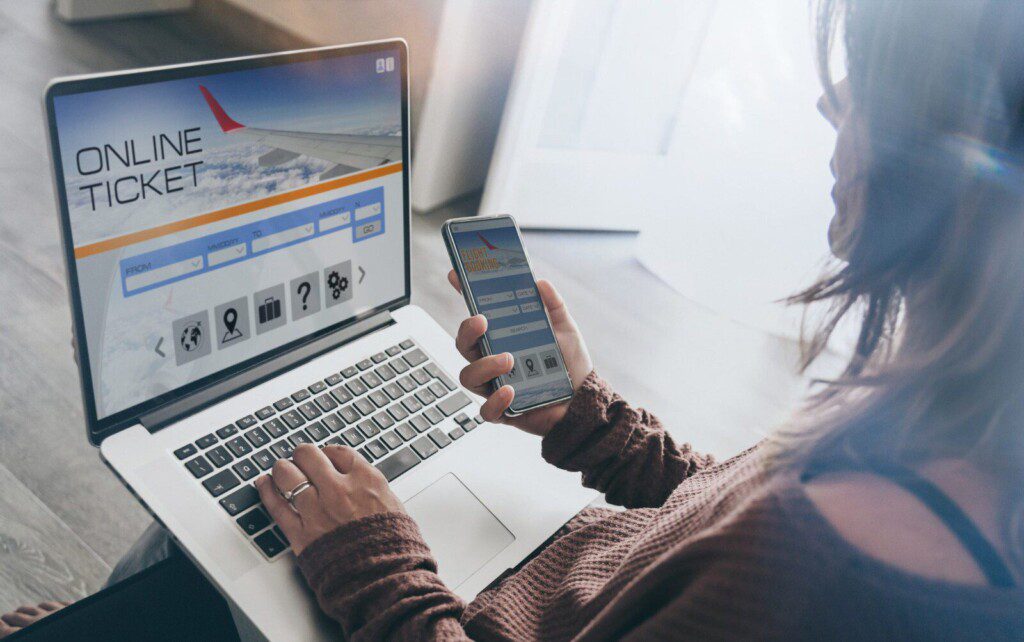
Use tools like Google Flights or Skyscanner to track airfare trends and book at the right time. If you’re planning a road trip, Roadtrippers is great for discovering stops along the way.
2. Choose a Family-Friendly Destination
Not every destination is ideal for kids, so it’s important to choose a location with family appeal. Look for places with:
- Interactive museums (like The Children’s Museum of Indianapolis or Exploratorium in San Francisco)
- Outdoor attractions (like national parks or beach resorts)
- All-ages entertainment (like theme parks, aquariums, and zoos)
If you’re stuck on ideas, check out Travel + Leisure’s list of Best U.S. Family Vacations.
3. Book Accommodations with Kids in Mind
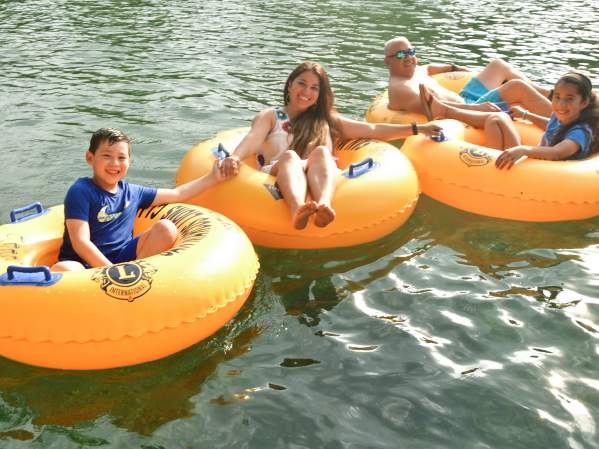
When traveling as a family, comfort is everything. Instead of squeezing everyone into a small hotel room, consider a vacation rental with multiple bedrooms, a kitchen, and maybe even a pool. Platforms like Vrbo and Airbnb let you filter by family-friendly amenities.
Look for properties with:
- High chairs and cribs (if traveling with young children)
- Fenced yards or gated pools
- Washer/dryer for longer stays
Bonus tip: Use Kid & Coe, a travel site that curates stylish, family-friendly vacation rentals.
4. Keep the Packing Smart and Simple
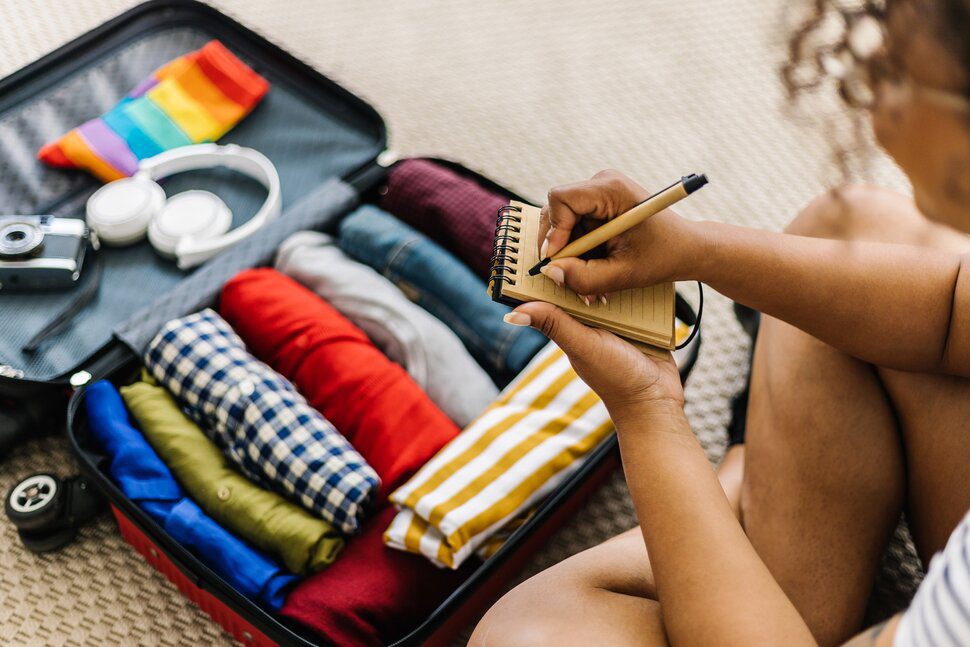
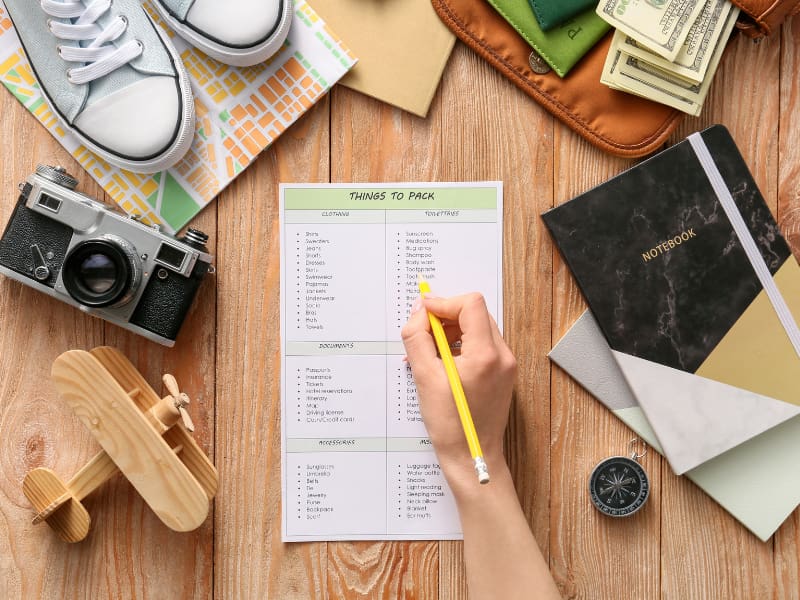
Packing for a family trip can feel like moving an entire household. Use a shared checklist app like Packing Pro or Google Keep to keep everything organized.
Essentials include:
- Snacks and refillable water bottles
- First-aid kit and medications
- Lightweight entertainment (books, tablets, coloring kits)
- Travel-sized laundry detergent for emergencies
Pro tip: Pack an extra outfit in your carry-on for each kid in case of spills or accidents.
5. Plan Kid-Friendly Activities (with Downtime!)
Too much sightseeing can burn out little travelers. Balance high-energy attractions with downtime. A good rule of thumb: plan one major activity per day and leave space for rest.
Ideas include:
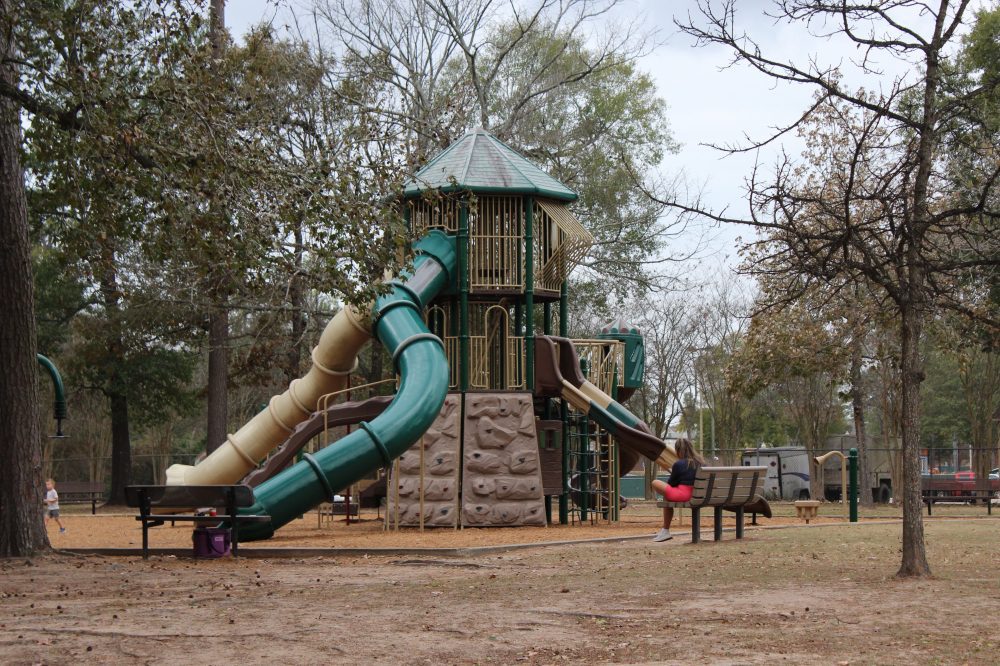
- Visiting a local park or splash pad (find one through Playground Buddy)
- Taking a nature walk or picnic in a scenic area
- Booking kid-friendly classes (cooking, painting, or animal encounters)
For activity ideas based on your destination, Viator and GetYourGuide offer filters for family-friendly tours.
6. Involve Your Kids in the Planning Process
Give kids some input! Letting them choose a restaurant or activity can make them feel more invested in the trip. Try these ideas:
- Create a vacation vision board together on Canva
- Watch travel videos about your destination on YouTube Kids
- Have them help plan a “kid day” where their choices guide the itinerary
This also helps reduce complaints during the actual trip!
7. Embrace Technology (and Set Limits)
Long travel days often require some digital help. Download kid-friendly movies, audiobooks, and travel games before you go. Some useful resources:
- National Geographic Kids – fun and educational content
- PBS Kids Games – great for preschoolers and early elementary
- Spotify Kids – kid-safe playlists for road trips
But don’t forget to unplug! Use tools like Circle or built-in parental controls to manage screen time and encourage off-screen exploration.
8. Budget for Spontaneity
Even with a solid itinerary, you’ll want to leave room (and budget) for spontaneous adventures—like grabbing an ice cream cone, taking a last-minute boat tour, or buying that silly souvenir your child falls in love with.
Apps like Trail Wallet and YNAB can help you track spending so you don’t blow your budget.
9. Capture the Memories
Don’t let your trip go by without capturing it! Encourage your kids to:
- Keep a travel journal or scrapbook
- Take turns being the “trip photographer” (with a kid-safe camera like the VTech Kidizoom)
- Record funny or meaningful moments in a voice memo
You can later create a family photo book using services like Chatbooks or Shutterfly.
10. Expect the Unexpected
Traveling with kids means things will go wrong. Someone might get sick, plans might change, or a favorite toy might get lost. Keep your cool, have a backup plan, and embrace the chaos as part of the adventure.
Consider getting family travel insurance through companies like World Nomads or Allianz Travel for peace of mind.
Final Thoughts
Family vacations are about more than just the destination—they’re about bonding, shared experiences, and building lifelong memories. With thoughtful planning, flexibility, and a little creativity, you can turn even the most chaotic moments into cherished stories.
Happy travels! ✈️
Looking for a unique place to stay? Check our PROPERTIES
Planning a Family Stay Near Lake Conroe and Houston: What to Check Before You Book
The tips above work anywhere. If your family is thinking about a vacation home in Southeast Texas, a few local details can make the difference between a smooth week and a frustrating one. Here is a practical way to plan a stay around Lake Conroe or the Houston area.
Match the Season to Your Plans
Texas weather shapes what your family will actually do each day. Summers are hot and humid, so lake days, pools and early morning outings work best, with indoor breaks in the afternoon. Spring and fall are usually more comfortable for walking, playing outside and sitting on a porch. Winter can be mild, but it can also surprise you with a cold snap, so pack layers either way. Check the forecast a few days before you leave and adjust the plan rather than sticking to a rigid schedule.
Pick the Right Home for Your Group
Before you book, count the people who will really be sleeping there, including babies and grandparents who may join for a day or two. Then look closely at the listing details.
- Bed types: Confirm how many real beds there are versus sofa beds or air mattresses.
- Bathrooms: A group with several children and adults often needs more than one full bathroom.
- Parking: Ask how many vehicles fit, especially if two families are traveling in separate cars.
- Distance to the water or attractions: Driving times around the Houston area can vary a lot with traffic, so ask the host for realistic estimates.
- Outdoor space: Look for a yard, patio or porch where kids can burn energy and adults can relax.
Water Safety Is a Group Job
Lakes and pools are a big part of the fun, and they deserve a plan. Decide before arrival who is watching the kids in the water, and rotate that job so no one is distracted. Have children wear properly fitted life jackets near the lake or on a boat, and keep a few spare towels by the door so wet feet do not track through the house. If the home has a pool, walk the whole family through the rules on the first day, including where children may and may not go without an adult.
Read the House Rules Before You Arrive
Every rental has its own rules, and reading them early prevents awkward surprises. Look for details on quiet hours, maximum guest counts, pets, smoking, and where trash and recycling go. Many homes also have rules about outdoor equipment, fire pits and shared spaces. If your group is larger than the booking, tell the host in advance instead of hoping it goes unnoticed. Hosts are usually glad to help when they know the plan ahead of time.
Your Arrival Day Checklist
- Message the host a day or two before to confirm check-in time and entry instructions.
- Walk through the home together as a family and note where the first-aid supplies, fire extinguisher and breaker panel are.
- Take a quick set of photos of any existing damage or wear so there is no confusion later.
- Connect to the Wi-Fi and test the thermostat so the home is comfortable by bedtime.
- Find the nearest grocery store and pharmacy, and save the host’s contact information in your phone.
- Set out a spot for shoes, wet swimsuits and sunscreen to keep the house tidy.
Common Mistakes to Avoid
- Booking on photos alone: Read the full description and recent guest reviews to see how the home feels in real life.
- Overpacking the schedule: Long drives and hot afternoons can wear everyone out, so leave open time.
- Skipping the grocery run: Plan a first-night meal so no one is hungry and cranky after a long drive.
- Forgetting checkout details: Check the departure time and any simple tasks the host asks for, such as starting the dishwasher or gathering towels.
- Not asking questions: If something is unclear, ask the host before you arrive instead of guessing.
Frequently Asked Questions
What should I ask a host before booking a family stay?
Ask about sleeping arrangements, parking, whether the home is suited to young children, and whether any areas such as a pool or dock have safety features. It also helps to ask what the neighborhood is like and how far the nearest store is.
Is it okay to bring extra visitors during the stay?
Check the house rules first. Many homes set a maximum number of guests, and that limit often includes daytime visitors. Contact the host before inviting anyone over so you can get a clear answer.
What if something is not working when we arrive?
Tell the host right away through the booking platform or the contact information provided. Include a short description and a photo if you can. Reporting early gives the host the best chance to help while you are still enjoying your stay.
How do we leave the home in good shape at checkout?
Follow the checkout instructions in your welcome guide. In general, gather used towels, put dishes in the dishwasher, take out the trash, and make sure doors and windows are locked and lights are off. A quick look around for forgotten items, like chargers and swimsuits, saves a lot of hassle.